Break cadence
Irregular pauses may be reflected in softer layout rhythm in educational examples—without scheduled alarms or health claims.
Habit architecture
We explain how constructive routines may be explored when daily systems make balanced choices easier—through informational content, not medical treatment or guaranteed outcomes.
Educational materials describe how work zones could adjust density and hierarchy in relation to break frequency and focus patterns. Content presents habit concepts through spatial logic—not assigned tasks or live monitoring on this site.
Examples show wider spacing during busy periods and tighter alignment during sustained attention. These are design illustrations, not promises of workplace results.
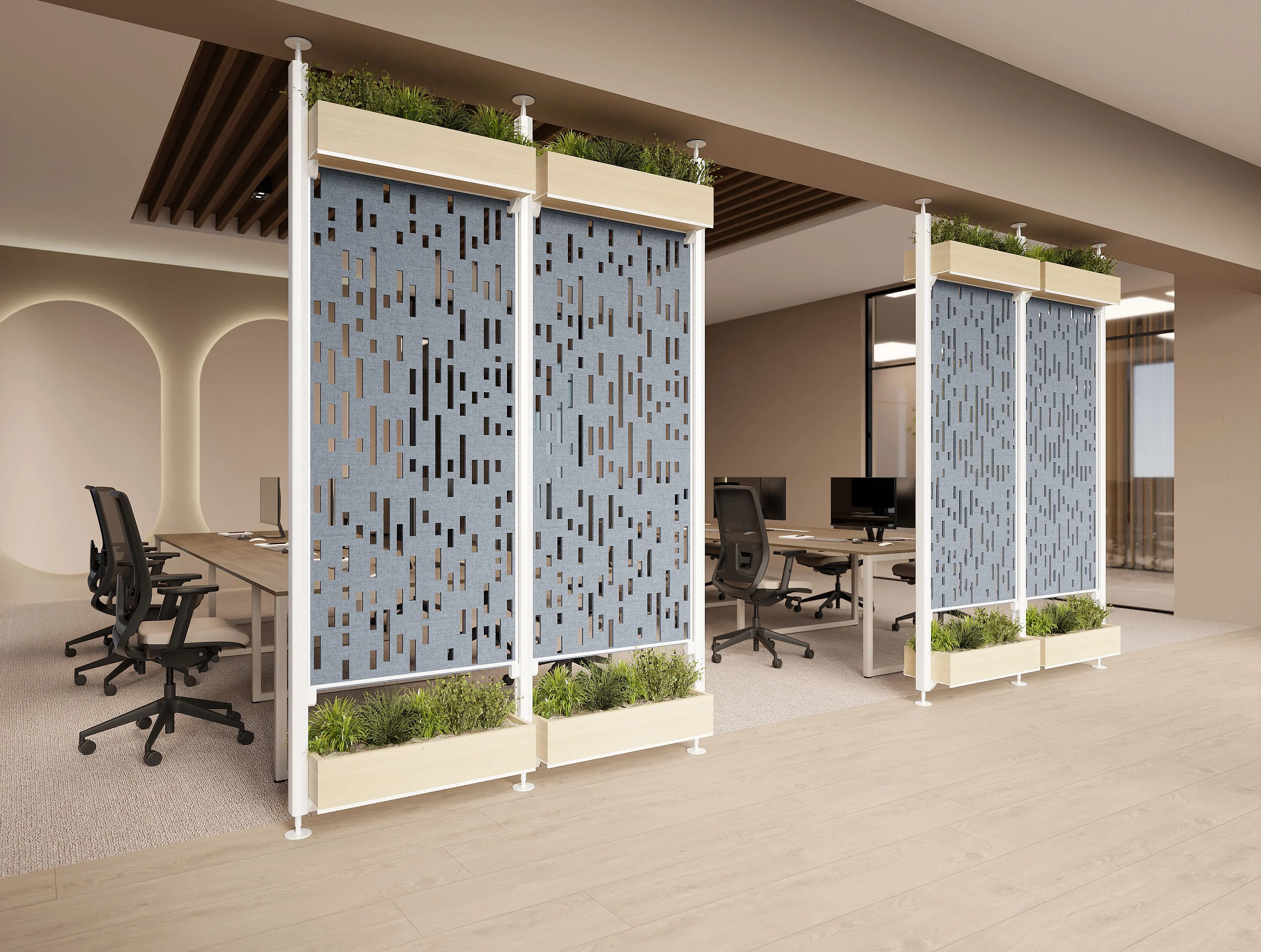
Education focuses on systemic levers teams may explore in digital and physical workflow interfaces.
Irregular pauses may be reflected in softer layout rhythm in educational examples—without scheduled alarms or health claims.
Prolonged attention may be paired with clearer visual structure in design concepts—outcomes depend on each organisation.
Interaction density modulates meeting-adjacent modules to protect deep-work windows passively.
Teams may move through observation, gentle structural nudges, and longer-term stabilization in educational models—without promising specific workplace results.
Existing workplace rhythms are reflected without judgment or scoring dashboards.
Micro-adjustments to spacing and module order introduce more balanced defaults subtly.
Balanced defaults may help teams explore habits with fewer prompts—results are not guaranteed.
Explore structured learning paths that complement—not replace—environmental habit design.